
The Poinsettia: From Ancient Aztec Treasure to Christmas Icon


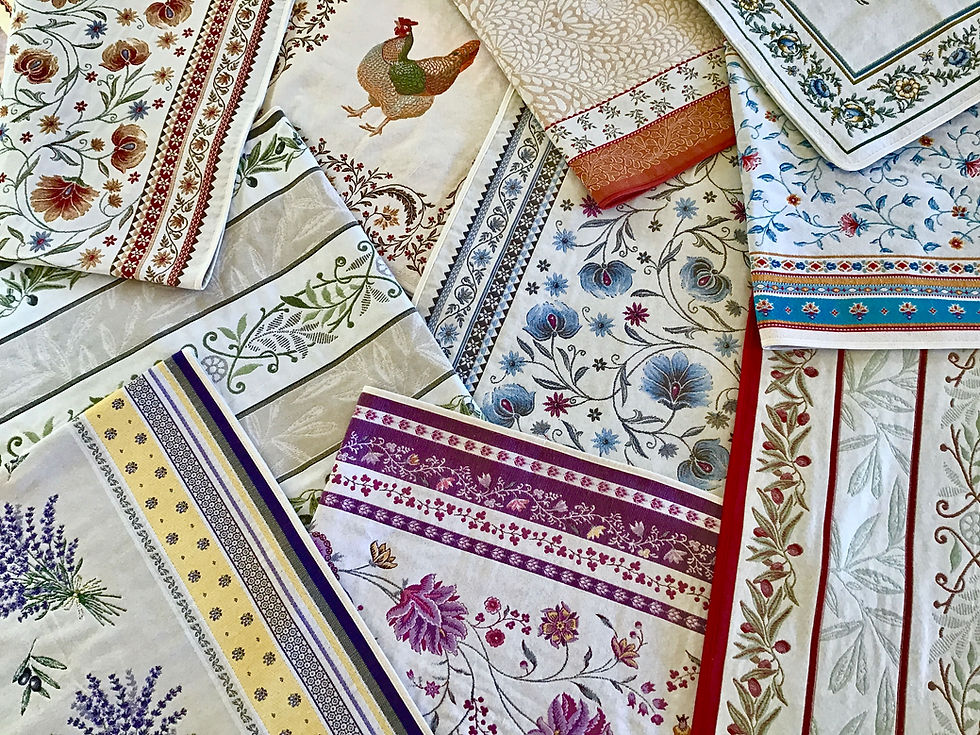
When you're setting your holiday table with beautiful French and Italian linens, chances are a vibrant poinsettia graces the room nearby. But this beloved Christmas plant has a fascinating journey from ancient Mexico to modern holiday traditions—and it's far more interesting than you might imagine.
A Plant Born in Fire and Legend
Long before Christmas decorations existed, the ancient Aztecs cultivated this plant and called it cuetlaxochitl. The Aztecs weren't just admiring its beauty. They used the vibrant red bracts to produce dyes for clothing and cosmetics, while the milky white sap served as medicine for fevers. Emperor Montezuma himself was so captivated by the plant that he had caravans of poinsettias shipped to the capital city of Teotihuacan, since they couldn't grow at the high altitude.
The Christmas Connection: A Tale of Miracles
The poinsettia's association with Christmas began in 17th-century Mexico. Franciscan friars co-opted its use to decorate nativity scenes and altars, renaming it "flor de nochebuena" or "Christmas Eve flower" as it naturally blooms during the Christmas season.
The Symbolism Behind the Beauty
The star-shaped pattern of the poinsettia's leaves is sometimes thought to represent the Star of Bethlehem, which led the Wise Men to Jesus. The red colored leaves symbolize the blood of Christ, while the white leaves represent his purity.
How It Got Its Name
Joel Roberts Poinsett, the first United States Ambassador to Mexico and a skilled botanist, discovered the plant during a diplomatic trip in 1828. While visiting the Taxco area, he became enchanted by the brilliant red leaves. He shipped blooms back to his South Carolina greenhouse, where he studied and cultivated them, sharing plants among his friends and colleagues around Christmas time when the upper leaves would turn red.
December 12 was later designated National Poinsettia Day to honor the day of Poinsett's death in 1851, and in 2002, an Act of Congress made it official.
The Truth About Toxicity
Let's settle this once and for all: poinsettias are NOT poisonous. This myth stems from a single unconfirmed report of a child's death in Hawaii in 1919. However, extensive research has repeatedly cleared the plant of this charge. That said, the milky white sap can cause mild irritation to the mouth and stomach, potentially resulting in nausea, vomiting, or rarely diarrhea if eaten. For those with latex allergies, skin contact may cause dermal irritation. But serious effects are extremely rare.
The Mystery of the Milky Sap

Have you ever noticed white liquid on your poinsettia's leaves or stems? As members of the spurge family (Euphorbiaceae), poinsettias produce a milky sap called latex. This substance helps conserve moisture within the plant and deters animals and insects from eating it, since the latex is bitter and toxic if consumed in large doses.
Fascinating Fun Facts
What You See Isn't What You Think: The poinsettia's main attraction isn't its flowers at all! Those vibrant red, pink, or white parts are actually modified leaves called bracts. The real flowers are the tiny yellow clustered buds in the center.
A Giant in Disguise: In the wild, poinsettias can reach heights of 12 feet with leaves measuring six to eight inches across. It's actually a small tropical tree, not just a potted plant!
A Marketing Masterpiece: Paul Ecke, a major producer in the early 1900s, helped cement the poinsettia's status as THE Christmas flower by sending plants to the White House for holiday photos and to TV news sets. This brilliant marketing strategy embedded poinsettias in people's minds as the must-have plant for Christmas.
An Economic Powerhouse: About 65 million poinsettias are sold annually in the United States, accounting for one-third of all flowering potted plant sales—that's $237 million in economic value! California leads production with about 27 million pots grown, followed by Texas, North Carolina, Ohio, and Michigan.
A Rainbow of Colors: Poinsettias come in over 100 colors and varieties. While traditional red accounts for about three-quarters of sales, you can find white, pink, yellow, cream, burgundy, salmon, apricot, and even speckled or marbled varieties.
Not Just a Pretty Face: Because of their vivid red color, poinsettias have earned colorful nicknames like "the lobster flower" and "the flame-leaf flower".
A Light-Sensitive Wonder: The color of poinsettia bracts is determined by light exposure. To achieve those gorgeous red leaves, the plant needs bright light during the day and at least 12-14 hours of complete darkness at night. This is why commercial growers cover their greenhouses with adjustable black cloth to create the perfect timing for flowering.
Perfect Pairing with Your Table Linens

As you dress your holiday table, consider the poinsettia not just as decoration, but as a plant with centuries of cultural significance. Its journey from Aztec medicinal herb to Spanish colonial Christmas symbol to American holiday icon mirrors the rich cultural tapestry that makes our celebrations meaningful.
Whether you choose classic red to complement crimson holiday napkins, elegant white to enhance ivory damask tablecloths, or daring pink to create unexpected contrast, you're bringing home a piece of history—one that has been cherished across continents and centuries.
Happy Holidays and may your table settings be as rich in beauty as the poinsettia's storied past!
Brenda & Tina


Comments